New Jersey homes see every kind of sky. Salt air along the Shore, nor’easters along the Turnpike corridor, hot July sun from Cape May to Bergen County, and freeze-thaw cycles that pry at every nail head west of Morristown. Skylights look beautiful under all that weather, until they do not. When a stain blossoms on the ceiling or water tracks down drywall after a storm, the first reaction is to blame the window in the roof. Sometimes that is right. Often it is not.
After twenty years of climbing onto roofs from Princeton to Paramus, I can tell you the fastest way to stop a skylight leak is to diagnose it without guesswork. Most leaks trace back to one of a handful of issues. Learning what to check first will save you from chasing phantom problems, and it helps you have an informed conversation with a roofing contractor near me who can fix it correctly the first time.
How skylights are supposed to stay dry
A good skylight stays dry because of three defenses working together. The unit itself needs intact glazing and factory gaskets. The roof needs correct flashing that sheds water, not channels it. The surrounding roofing must move water quickly, which means healthy shingles or membrane, a sensible slope, and underlayment that backs up the metal. If any part of that trio fails, water finds a path indoors.
On pitched asphalt roofs, most skylights sit on a raised curb. A manufacturer’s flashing kit wraps the curb on all sides. Step flashing along the sides interleaves with each shingle course. A head flashing at the top of the skylight is set over an ice and water membrane. The bottom has a pan flashing that kicks water out onto the shingles. On low-slope or flat roofs, the curb is wrapped and welded into the membrane. Counterflashing keeps wind-driven rain from working backward under the edge.
If your skylight was installed without its kit, or the roofers tried to build their own flashing without following the sequence, you will likely see problems within a few winters.
First question: is it leaking or condensing?
About one in four skylight “leaks” I inspect in January turns out to be condensation. Warm interior air escapes into the shaft, hits cold glass, and turns into water. That water can drip, stain, and even freeze around the frame. It shows up after very cold nights, and it often stops when the weather moderates. Real leaks, by contrast, correlate to rain or melting snow and may vary with wind direction.
A simple test can help. On a dry day, wipe the glass and frame clean inside. Run a bathroom exhaust fan if the skylight is near a bath. If water reappears without any precipitation, you are probably looking at condensation. The fix is ventilation and insulation, not flashing. Improve the air seal where the drywall shaft meets the skylight curb, add R-38 or more insulation around the shaft if there is attic space, and make sure fans vent outdoors, not into the attic. In a Cape or split-level with low knee walls, this matters even more because moist air loves to pool in those bays. A roofer who only sees the stain and sells you new shingles will not solve that.
Quick triage during and after a storm
You get the best information when water is moving. If you can do it safely, use a flashlight to look at the skylight well during a steady rain. Track the source. Water that runs down the glass and appears at the low edge points to glazing or gasket issues. Water that appears from one upper corner or along the ceiling outside the well often points to flashing or shingle problems. If you notice water only when wind drives rain from a particular side, the head flashing or a missing shingle above the unit may be to blame.
After the storm, walk outside and look from the ground. Missing or lifted shingles, granule loss, or a bad patch job above the skylight are dead giveaways. In winter, a band of ice above the unit that lingers longer than elsewhere can signal heat loss through the shaft, which melts snow and triggers ice dams.
What to check first on a pitched asphalt roof
If you feel comfortable and the roof is safe to walk, a careful visual inspection from the eave or a dormer can tell you a lot. I do not recommend homeowners step on steep or slick surfaces, but binoculars from the ground help more than you might think.
- Look for step flashing alignment on the sides of the skylight. Each shingle course should overlap a piece of metal that climbs the curb. If you see long, uninterrupted shingle runs along the curb with no exposed metal edges, the installer may have skipped step flashing and used sealant as a crutch. Sealant cracks and shrinks, and that turns into a leak. Check the head flashing at the uphill side. It should be tucked under shingles by several inches, with underlayment beneath it. If the top edge is exposed or cut short, wind-driven rain can back up underneath. On roofs under 4:12 pitch, most manufacturers require additional ice and water membrane that extends several feet above the unit. Inspect the shingle condition above the skylight. Hail pitting, heat blisters, or cupping can create channels for water. A common New Jersey scenario after a nor’easter is lifted tabs and broken adhesives. If you can slide a putty knife easily under many tabs, the shingles may have aged out and the skylight flashing is not the primary culprit. Look for nail pops and fasteners too close to the skylight curb. If a roofer pinned down shingles within two inches of the curb, freeze-thaw can open those holes and route water inward. I see this most in rushed re-roofs where the crew treated the skylight like a simple pipe boot. Examine sealant beads sparingly used at the bottom pan flashing. A neat, thin bead where metal meets curb is acceptable. Thick, smeared tar across shingle edges is a red flag. Heavy tar means the flashing sequence is wrong, and the installer tried to compensate.
If anything in that scan looks off, you are already in Roof repair territory. A capable roof repairman near me can remove three to five shingle courses and rebuild the flashing kit correctly in half a day. In 2026 pricing across most of New Jersey, that kind of surgical fix runs roughly 450 to 1,200 dollars for labor and materials, depending on access, pitch, and whether the skylight is re-usable.
Flat and low-slope skylights call for different eyes
Row homes in Jersey City and multifamily buildings in Newark often have low-slope roofs. Many ranches in Edison have additions with modified bitumen or TPO around a skylight. Leaks on these roofs cluster around seams and terminations. The curb must be at least 4 inches above the finished roof surface. If I see membrane lapping only an inch up the curb, I know wind-driven rain will find that seam. Counterflashing, whether metal or termination bars with sealant, must be continuous. If the membrane wrinkles downhill toward the skylight, water can pool and push sideways at the corner welds.
Repairs here demand heat-welded patches or cold-process plies that extend far enough to create a new watershed. Budget 500 to 1,500 dollars for a proper low-slope skylight curb re-flash. Acrylic dome skylights complicate matters if their weep holes clog with debris. Domes are designed with tiny drainage points. If those are blocked, condensation and minor infiltrations build up in the frame and then dump indoors during wind gusts. Clearing those and adding insect screens solves a surprising number of so-called leaks on flat roofs.
When the glass is the problem
If you see fogging between panes, sticky tape lines, or droplets trapped where you cannot wipe them away, the insulated glass seal has failed. That does not always cause a leak, but it does indicate the skylight is near the end of its service life. Most units last 20 to 30 years. Acrylic domes cloud and craze earlier under UV exposure along the Shore. A cracked dome or broken corner cap is an immediate replacement. On venting skylights, check the latch and gasket compression. If the sash does not pull tight or the hinge side is racked, wind-blown rain can enter even though the flashing is perfect.
Glass replacement in an otherwise healthy skylight can be cost effective. Expect 300 to 800 dollars for a standard-size glass pack, parts and labor, if the manufacturer still supports your model. Full unit replacement including curb modifications and flashing typically starts near 1,200 dollars for a fixed glass skylight and rises to 2,500 to 3,500 for larger or venting models. If a lift is required on a three-story brownstone, add several hundred for equipment.
The role of ice dams in New Jersey winters
Monmouth County had two winters in the past decade with repeated freeze-thaw periods and heavy snowfall. Those were banner seasons for skylight calls. Skylights break up a roof plane and interrupt the natural slide of snow. Heat leaking through the shaft melts a pocket around the unit, then refreezes at the colder edge. Water backs up under shingles above the head flashing. Even perfect flashing cannot stop water that rises uphill under shingles.
If leaks only show up during snowmelt, consider this a ventilation and insulation problem first. Air-seal the shaft, add dense-pack cellulose around it where possible, and increase attic ventilation. On future re-roofs, extending ice and water shield five to six feet above and two to three feet to each side of the skylight pays dividends. Some contractors also install a small saddle or cricket above wide skylights to split water and snow loads. It is a minor detail that prevents a lot of headaches.
What a thorough roofer will do on site
A good roofing contractor near me will not push a new skylight before they understand the source. They will check the attic or the skylight shaft if accessible, probe for soft sheathing around the curb, and lift shingles carefully to inspect the flashing sequence. On low-slope roofs, they will run a moisture meter around seams and look at terminations. The inspection usually takes 30 to 60 minutes. Beware of anyone who prescribes roof replacement after a five-minute glance from the ground, unless your shingles are clearly at end of life.
If decking is rotted around the curb, expect the repair to grow. Replacing a 2 by 2 foot section of sheathing, re-flashing the skylight, and patching shingles adds material and labor. It is still manageable if the rest of the roof is sound.
Simple homeowner checks before you call
You do not need to climb a ladder to gather useful information. A few safe checks from indoors and the ground help narrow the options and speed the right fix.
- Note when the leak occurs. Only in heavy rain, only with wind from a particular side, only during snowmelt, or during very cold, dry weather. Timing points to flashing, glazing, ice dam, or condensation. Photograph the stain pattern the day you notice it and again after the next storm. Spreading in a straight line below the skylight suggests the glass or frame. Spreading laterally outside the shaft points to roof or flashing. From the ground, look for disturbed shingles, exposed nails, or tar around the skylight. If you can see shiny metal at the sides in a neat repeating pattern, your step flashing likely exists. If all you see is goo, note it. Check bathroom fans and kitchen vents near the skylight. Confirm they discharge outdoors at a hood, not into the attic. Hand warmth at the hood during fan operation is a good sign. If safe, lightly spray a garden hose at the lower part of the skylight from the ground. If water appears inside, stop and call a pro. If not, and you work the spray higher, you can sometimes isolate the leak to a particular flashing plane. Never do this on a freezing day or from the roof itself.
Bring these notes and photos when you engage roofing companies in New Jersey. The conversation moves from generalities to specifics, and you get a more accurate estimate.
Repair or replace: weighing the decision
Every homeowner wants to know whether a leak means a quick Roof repair or a Roof replacement. The answer depends on age, condition, and scope. If your shingles are under 12 years old, in good shape, and the skylight is less than 20 years old, a re-flash and minor shingle patch usually makes sense. If the roof shows widespread granule loss, curling, or multiple leak points, tackling a single skylight is like patching a leaky boat plank while the hull softens.
A typical New Jersey asphalt Roof replacement for a 2,000 square foot home runs in the range of 9,500 to 18,000 dollars for architectural shingles, with higher numbers for complex roofs, coastal wind ratings, or premium underlayments. The New roof cost climbs with steep pitch, multiple valleys, skylight count, and required code upgrades like ice and water coverage at eaves and along rakes. If you are already close to a full replacement, folding skylight work into that project is often smarter. You gain manufacturer warranty alignment, fresh flashing kits, and the chance to improve insulation around the shafts while the deck is open.
Homeowners often ask for the Price of new roof versus the cost to fix a leak. There is no universal threshold, but my rule of thumb is simple: if the roof has five years or less of life and the repair touches structural wood or large membrane areas, consider replacement. If the roof has a decade or more left, fix it right and bank the difference.
Selecting the right help
With skylights, experience beats generalization. Ask a prospective contractor how many skylight repairs they have completed in the past season. Request to see a photo set of a re-flash sequence, not just finished glamour shots. A reputable firm will not hesitate. Look for crews that work with major skylight brands and order original flashing kits. For low-slope roofs, confirm the installer is certified in the membrane on your home. Manufacturers publish details for curb heights and terminations, and warranty coverage sometimes depends on those details.
Local knowledge matters as well. Roofing companies in New Jersey understand our climate swings, and many have dealt with specific township codes. For example, some Shore towns require stainless fasteners and enhanced underlayment due to wind exposure. A contractor unaccustomed to those requirements may cut corners unintentionally.
If you prefer a small outfit, a seasoned roof repairman near me can outperform larger crews on focused leak chases. They tend to spend the extra forty minutes to trace stains in the attic and pull only what needs pulling. That extra care keeps repair footprints small.
Materials and details that prevent the next leak
I keep a short list of details that consistently work in our region. Ice and water shield should wrap the entire skylight curb at least six inches up each side, and extend three feet uphill under the head flashing. On roofs between 3:12 and 4:12, double that uphill coverage. Step flashing pieces should be factory width or wider, never cut skinny to “save metal.” A head flashing with an integrated diverter lip helps on wide skylights where water volume is high. For low-slope roofs, I like a 6 inch curb and membrane turned up the curb face and under a continuous metal counterflashing, not just a sealant termination. On older domes, replacing with low-E glass units cuts condensation risk and summer heat gain. You can feel the difference in July under a stairwell skylight in Essex County once the glass is upgraded.
If your roof sees heavy leaf load, fit cleanable screens in gutters above skylights and consider a small saddle to split debris flow. Water follows leaves like a wick. Anything that keeps the area above the head flashing clear reduces pressure on that joint.
Understanding costs so you can budget
Repair pricing varies across the state, but these ranges will orient you:
- Re-flash a skylight on an asphalt shingle roof with minor shingle replacement: 450 to 1,200 dollars. Replace a failed insulated glass unit in a modern skylight: 300 to 800 dollars. Replace an entire fixed skylight with new flashing on a simple roof: 1,200 to 2,000 dollars. Low-slope curb re-flash with membrane work: 500 to 1,500 dollars. Full Roof replacement on a typical NJ home with one to three skylights, architectural shingles: 9,500 to 18,000 dollars, with additional 300 to 600 dollars per skylight for flashing kits during the job.
If you get an estimate that is far outside these ranges, ask why. High access complexity, historic districts, union labor requirements, or emergency weekend work can explain a premium. On the other end, bids that seem too good to be true often rely on cement and caulk, not proper sequencing.
Timing the work
Spring and fall are prime seasons for Roof repair in New Jersey. Temperatures allow adhesives and sealants to cure, and crews can open the roof without racing thunderstorms or ice. That said, a competent team can handle mid-winter re-flashes on sunny days above 35 degrees. If water is actively entering the home, do not wait months. A short-term dry-in with peel-and-stick membrane and a tarp can protect you until the permanent fix, but make sure your contractor schedules the return visit promptly. Blue tarps that linger for weeks tend to create more problems than they solve.
For Roof replacement projects, book early if you want a particular window. Good contractors fill their calendars months ahead, especially in May and June. If your timeline is flexible, ask about shoulder weeks where your job can slot in between larger projects. That sometimes earns a better price without sacrificing quality.
A real-world example from Morris County
A homeowner in Randolph called after a March nor’easter sent water streaking down a second-floor hallway. The roof was eight years old. The skylight sat on a modest 5:12 pitch and looked fine from the driveway. Inside the shaft, the top right corner was wet. We checked the attic and found clean sheathing except for a small darkened area above the head flashing. On the roof, the shingle courses looked neat, but the head flashing was cut short by an inch, and there was no ice and water membrane lapped under it. The installer had relied on felt. Wind from the northeast overwhelmed the joint.
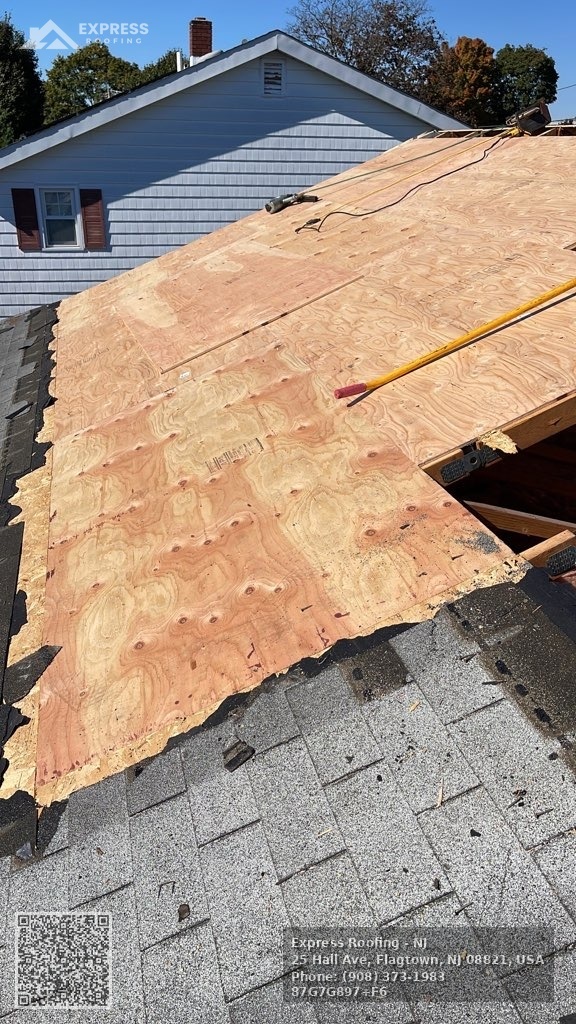
We pulled two shingle courses, installed membrane that extended four feet uphill and two feet to each side, replaced the head flashing with a slightly wider profile, and reassembled https://sites.google.com/view/roofing-contractor-flagtown-nj with new shingles. The bill came to 685 dollars. The ceiling dried in a week, and there have been no calls back through two winters. No new skylight needed, no Roof replacement. Diagnosis and a small detail made the difference.
When a new roof solves the skylight problem you keep having
Sometimes the lesson runs the other way. A couple in Freehold had three skylight “repairs” in four years. Each was a reactive tar-and-shingle fix. The roof was 19 years old, with widespread granule loss and thermal cracking. The skylights themselves were still solid, but the surrounding shingles could not shed water reliably. We replaced the roof with architectural shingles, upgraded underlayment to include full ice and water around each skylight and along eaves and valleys, and installed new factory flashing kits. The New roof cost was 14,800 dollars on a 2,200 square foot colonial with three skylights. They have been leak-free through windstorms that took down neighborhood fences. The Price of new roof stung in the moment, but it stopped a cycle of piecemeal spending.
The bottom line for New Jersey homeowners
Start with the basics. Distinguish condensation from infiltration. Read the stain pattern. Inspect or photograph the flashing sequence if you can. Remember that skylights are rarely the lone culprit. Roof age, ice dams, and poor ventilation all conspire. Hire a contractor who can show you the steps they will take, not just the final look. If the roof still has life, a clean re-flash and targeted Roof repair will usually solve a skylight leak. If the system is tired or patched over and over, consider timing a Roof replacement to take control of the whole watershed. Either way, a clear checklist and a few grounded cost ranges prepare you to choose wisely and keep the sky in the skylight where it belongs.
Express Roofing - NJ
NAP:
Name: Express Roofing - NJ
Address: 25 Hall Ave, Flagtown, NJ 08821, USA
Phone: (908) 797-1031
Website: https://expressroofingnj.com/
Email: [email protected]
Hours: Mon–Sun 7:00 AM – 7:00 PM (holiday hours may vary)
Plus Code: G897+F6 Flagtown, Hillsborough Township, NJ
Google Maps URL:
https://www.google.com/maps/place/Express+Roofing+-+NJ/@40.5186766,-74.6895065,17z/data=!3m1!4b1!4m6!3m5!1s0x2434fb13b55bc4e7:0xcfbe51be849259ae!8m2!3d40.5186766!4d-74.6869316!16s%2Fg%2F11whw2jkdh?entry=tts
Coordinates: 40.5186766, -74.6869316
Google Map Embed
Social Profiles
Facebook: https://www.facebook.com/expressroofingnj
YouTube: https://www.youtube.com/@ExpressRoofing_NJ
X (Twitter): https://x.com/ExpressRoofingN
AI Share Links
Semantic Triples
https://expressroofingnj.com/
Express Roofing - NJ is a affordable roofing contractor serving Central New Jersey.
Express Roofing NJ provides roof repair for residential properties across nearby NJ counties and towns.
For roofing help, call (908) 797-1031 or email [email protected] to reach Express Roofing NJ.
Connect on Facebook: https://www.facebook.com/expressroofingnj and watch project videos on YouTube: https://www.youtube.com/@ExpressRoofing_NJ.
Follow updates on X: https://x.com/ExpressRoofingN.
Find the business on Google Maps: View on Google Maps.
People Also Ask
What roofing services does Express Roofing - NJ offer?
Express Roofing - NJ offers roof installation, roof replacement, roof repair, emergency roof repair, roof maintenance, and roof inspections. Learn more: https://expressroofingnj.com/.
Do you provide emergency roof repair in Flagtown, NJ?
Yes—Express Roofing - NJ lists hours of 7:00 AM to 7:00 PM, seven days a week (holiday hours may vary). Call (908) 797-1031 to request help.
Where is Express Roofing - NJ located?
The address listed is 25 Hall Ave, Flagtown, NJ 08821, USA. Directions: View on Google Maps.
What are your business hours?
Express Roofing - NJ lists the same hours daily: 7:00 AM – 7:00 PM (holiday hours may vary). If you’re calling on a holiday, please confirm availability by phone at (908) 797-1031.
How do I contact Express Roofing - NJ for a quote?
Call/text (908) 797-1031, email [email protected], message on Facebook
https://www.facebook.com/expressroofingnj,
follow on X https://x.com/ExpressRoofingN,
or check videos on YouTube https://www.youtube.com/@ExpressRoofing_NJ
Website: https://expressroofingnj.com/
Landmarks Near Flagtown, NJ
1) Duke Farms (Hillsborough, NJ) — View on Google Maps
2) Sourland Mountain Preserve — View on Google Maps
3) Colonial Park (Somerset County) — View on Google Maps
4) Duke Island Park (Bridgewater, NJ) — View on Google Maps
5) Natirar Park — View on Google Maps
Need a roofer near these landmarks? Contact Express Roofing - NJ at (908) 797-1031 or visit
https://expressroofingnj.com/.