Roof work in New Jersey sits at the crossroads of fickle coastal weather, older housing stock, and strict local codes. That mix drives the price of a new roof more than any national average ever will. If you’re trying to make sense of estimates, decide between repair and replacement, or figure out whether to call a roofing contractor near me or wait another season, start with the variables that actually move the number. Then build a budget with room for the surprises that tend to show up once shingles come off.
What a “new roof” typically includes in New Jersey
A true roof replacement is more than new shingles. In most NJ municipalities, your contractor will secure a permit, tear off existing layers down to the deck, replace rotten sheathing, install ice and water shield along eaves and in valleys, add underlayment, flash penetrations, and only then reshingle. Cap shingles, ridge vent, and drip edge finish the job. Disposal fees are part of the package. The scope matters because a low bid that skips tear-off or new flashing can look good on paper and fail in the first nor’easter.
I’ve walked enough attics in Bergen and Monmouth counties to know that older homes often hide surprises: plank decking with gaps, undersized vents, or chimney step flashing chewed by time and salt air. A thorough proposal names these components, not just “30 squares of shingle.”
The range you should expect to see
For a typical detached single-family home in New Jersey, the price of new roof work spans widely, but certain patterns hold.
- Three-tab asphalt has largely left the stage. Architectural asphalt shingles now dominate because they last longer and handle wind better. On an average 2,000 square foot roof, recent jobs land between 10,000 and 19,000 dollars for a full tear-off and replacement, assuming one existing layer and standard flashing. Premium asphalt lines with upgraded wind ratings and algae resistance push the same home toward 16,000 to 24,000 dollars, depending on brand and warranty tier. Metal roofing varies more. Standing seam installations typically run 30,000 to 55,000 dollars on comparable footprints due to higher material costs and more skilled labor. Exposed fastener steel systems can be significantly less but trade longevity and aesthetics. Cedar, slate, and synthetic slate or shake occupy their own ladders. Natural slate on a moderate roof quickly climbs past 60,000 dollars, often far more on complex Victorian forms common in older New Jersey towns like Montclair or Princeton.
These ranges assume a clean deck. Rot, multiple existing layers, or structural corrections add to the bill. Most roofing companies in New Jersey will walk you through contingencies so you know how overruns are handled. Ask to see the per-sheet price for sheathing replacement and the hourly or per-linear-foot charge for unforeseen framing or flashing repairs.
Material choices that affect the bill
Budgeting starts with materials because this single decision controls a lot of downstream costs and performance.
Asphalt shingles still deliver the best cost-to-value ratio for most NJ homes. Architectural shingles with a 30 to 50 year limited warranty are common. Expect to pay more for Class 4 impact-rated shingles or enhanced wind warranties. On the coast, I like shingles with strong wind uplift ratings, paired with a robust nailing schedule, because gusts funnel down streets and lift edges.
Metal brings strengths: excellent longevity, strong performance under ice damming when properly detailed, and energy benefits in summer sun. The initial outlay is steep, and finding a roofing contractor near me with deep standing seam experience matters. Flat-seam panels near chimneys and dormers can be tricky. If your home sits within a homeowners association, check for style restrictions before you fall in love with a color chart.
Cedar gives a rich look in historic districts, ages gracefully, and breathes well. It demands regular maintenance and good attic ventilation. Insurance premiums sometimes bump up for wood roofs, and local fire codes may restrict use in certain zones. Engineered cedar-look options have improved and often reduce maintenance, though their installed cost can approach that of mid-tier metal.
Synthetic slate and shake simplify weight and maintenance compared to natural stone or wood. In older NJ colonials with modest rafters, real slate might require structural upgrades. Synthetics avoid that in many cases. They still cost more than high-end asphalt, so weigh local comps and resale value if you plan to move within a decade.
Flat or low-slope sections, common over porches and additions, use different systems: modified bitumen, TPO, or EPDM. These are priced by the square foot as well, usually less than premium steep-slope materials but more sensitive to detailing around edges and drains. If your roof mixes slopes and materials, your estimate will reflect that complexity.
Roof size, pitch, and complexity
Estimates are built around “squares,” each equal to 100 square feet. The larger the roof, the more material and labor. Pitch and complexity magnify that. A simple ranch roof with a 4/12 pitch can move quickly with minimal safety gear, which tightens labor hours. A steep 10/12 Victorian with dormers, valleys, and a turret requires harnesses, toe boards, and slower, more careful staging. You pay for that time.
Complex roofs also use more accessories: extra flashing, step flashing by the handful, ridge cap for multiple ridges, and custom metal around unusual transitions. I’ve seen two roofs of equal square footage differ by 30 percent in price due to pitch and cut-up geometry alone.
Tear-off realities in New Jersey
Local code and common sense usually steer you toward a full tear-off. Many municipalities allow a second layer of shingles, but few allow a third. In practice, a recover over old shingles hides deck problems, marginally saves disposal, and can shorten the life of the new layer due to trapped heat and uneven surfaces. A proper tear-off costs more up front, often 1,000 to 2,500 dollars of the total, but it lets the crew inspect and correct the deck, improve ventilation, and reset flashing correctly. When a roof fails early, it often traces back to skipped tear-off or reused flashing.
Disposal costs vary. Heavier shingles and multiple layers mean more tonnage. In northern counties, access can add cost. Narrow driveways or tight urban lots in Hoboken or Jersey City may require smaller dumpsters or street permits, each adding administrative time.
Underlayment, ice protection, and why they matter here
New Jersey winters bring thaw-and-freeze cycles. Ice and water shield is not optional at the eaves in my book. Most codes require it from the edge to at least 24 inches inside the warm wall, more on low-slope sections and along valleys. Underlayment choice influences price slightly, but failures in this layer are expensive later. Synthetic underlayments cost more than felt and perform better against wind-driven rain during installation days, especially on taller, exposed roofs.
If your home has a history of ice dams, underlayment alone won’t save you. Budget for improved insulation and ventilation. Baffles at the eaves, ridge vent improvements, or even a powered exhaust in complicated attics can change winter outcomes dramatically. Expect an extra 500 to 2,000 dollars for meaningful ventilation upgrades bundled into roof work, more if dense-pack insulation is involved.
Flashing and the places leaks love
Chimney saddles and step flashing run where leaks like to start. I insist on replacing step flashing whenever shingles come off. Reusing old step flashing to save a few hundred dollars is a false economy. Chimneys in brick or stone may need counterflashing cut into the mortar joints, which takes skill and time. Skylights tell the same story. Newer curb-mounted units with manufacturer flashing kits reduce risk, while old deck-mounted units often merit replacement during the reroof. A failed skylight seal two years after a new roof is a headache for everyone.
Valleys split opinions too. Open metal valleys cost more and shed debris well. Closed-cut shingle valleys cost less and look cleaner. In wooded suburbs, I’ve had better long-term luck with open valleys in heavier gauge metal, especially where leaves collect.
Permits, inspections, and insurance
Most New Jersey towns require a roofing permit and final inspection. Permit fees vary by municipality. Some are a flat rate around 75 to 250 dollars, others scale with job cost. Your contractor should pull and post the permit. If your quote expects you to do that legwork, consider what else they might be skipping.
Insurance and licensing are the quiet costs that protect you. Ask for a certificate of insurance naming you as additional insured, and confirm both general liability and workers’ compensation. A gap here can become your problem if a worker gets hurt on your property. Uninsured bids are almost always cheaper, and not in a way that benefits you.
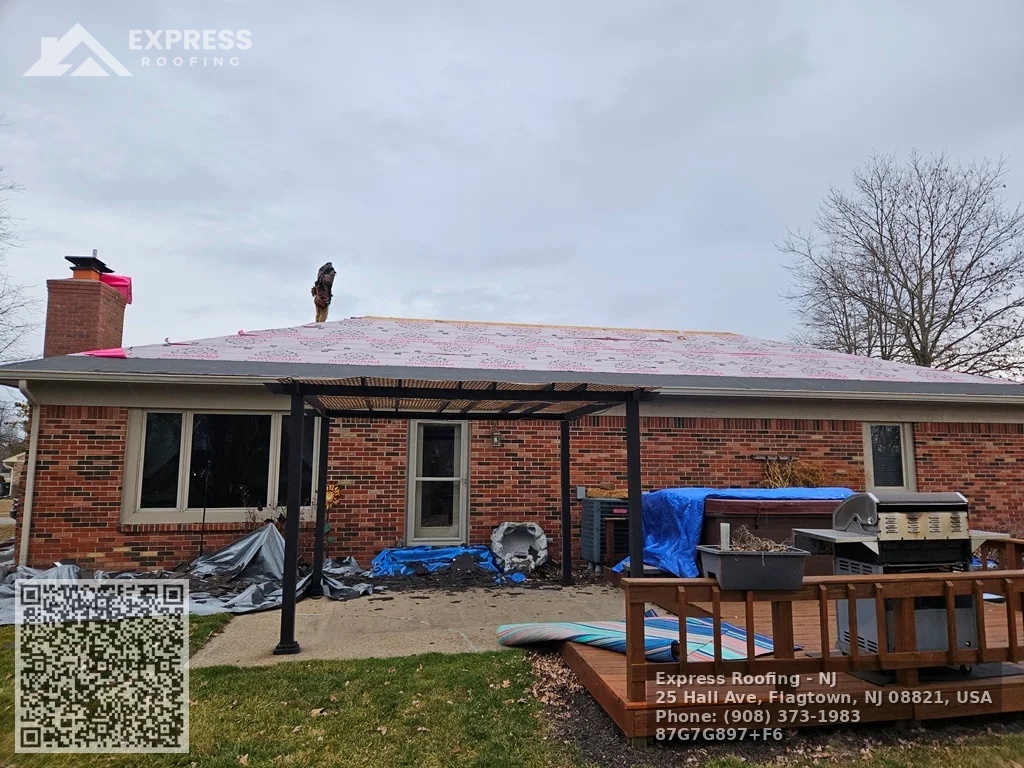
When a roof repair makes more sense
A full replacement isn’t always the right move. If a three-year-old roof has a localized wind blow-off, a good roof repairman near me can match shingles and restore the area for hundreds, not thousands. If you’re selling next spring and an inspection notes a small flashing leak around a vent, targeted roof repair often satisfies buyers without a full reroof.
The tipping points: if the roof is at or beyond its expected life, repairs buy months at best. If shingles are curling broadly, granules are gone, and multiple leaks have appeared, the math swings to replacement because interior damage costs more than the delta between a patchwork of repairs and a proper reroof. Insurance can influence this. Storm damage claims sometimes fund partial or full replacements, but carriers rely on clear evidence and code requirements. Documentation from a reputable roofing contractor near me helps.
Building a realistic budget and contingency
Two numbers anchor a smart plan: your expected base cost and a contingency for the unknowns. I like a 10 to 15 percent contingency on standard asphalt projects, higher on older or complex homes. If a contractor pre-inspects the attic, checks for Express Roofing - NJ Roof repairman past leaks, and cameras the soffits, surprises shrink. Even then, plank decks and hidden rot appear.
Financing options can smooth cash flow. Some roofing companies in New Jersey partner with lenders for promotional rates. Shop those terms as carefully as you shop the shingles. A low monthly payment with a steep deferred interest clause can surprise you the same way a hidden rotten valley can.
Choosing a contractor who earns the price
The cheapest bid rarely delivers the lowest total cost of ownership. Strong crews cost more and finish faster with fewer callbacks. This is where references matter. Ask to see a roof done by the same crew lead two or three years ago, not just last month. Weather in New Jersey gives telling feedback after two winters.
Here is a short, focused checklist to evaluate proposals:
- Scope clarity: tear-off, underlayment, ice and water shield coverage, flashing plan, ventilation upgrades, and disposal. Brand and line: exact shingle or panel, color, warranty tier, and accessory parts like ridge vent and cap shingles. Crew and schedule: who will be on site, expected start and duration, and what happens if weather interrupts. Change order policy: per-sheet sheathing price, hourly rates, and approval process for extras. Protection plan: landscaping, gutters, magnetic sweep for nails, and daily cleanup expectations.
Ask about ventilation calculations, not just “we’ll add a ridge vent.” Good math leads to balanced intake and exhaust, which extends shingle life and reduces ice dam potential. If an estimator waves off ventilation concerns in an older attic, that’s a red flag.
Timing your project around New Jersey weather
Spring and fall are prime roofing seasons here. Crews move efficiently in cool, dry weather, adhesives bond well, and homeowners avoid summer attic heat. Peak weeks book early. If you want a May install, start collecting bids during winter. Summer can work, but watch heat indexes. Shingles become pliable, and footprints can scuff if crews rush. Winter installs are viable on clear, cold days. Adhesive strips need time and temperature to activate, so proper hand-sealing at hips, ridges, and rakes matters. A reputable contractor adjusts techniques, not just schedules.
Storm seasons bring a different crowd to town. Not every out-of-state outfit is bad, but portable phone numbers and vague addresses complicate warranty calls later. Favor roofing companies in New Jersey with track records you can verify through neighbors, supply houses, and local inspectors.
Warranty language that actually protects you
Two warranties overlap: manufacturer and workmanship. Manufacturer coverage hinges on correct installation and ventilation. Read the fine print on algae resistance, wind coverage, and non-prorated periods. Workmanship covers the install itself. Five to ten years of workmanship coverage is common among established firms, with premium tiers extending further. A lifetime shingle warranty paired with a one-year workmanship promise is a mismatch. Also clarify who registers the manufacturer warranty. Some enhanced warranties require certified installers and paperwork within a set window.
Real examples from recent projects
A split-level in Morris County, roughly 24 squares, simple gable roof with one chimney. The owners chose mid-range architectural asphalt, full tear-off, ice and water at eaves and valleys, ridge vent, and new step flashing at the chimney. They had two layers to remove. Final bill: 17,800 dollars, including four sheets of new plywood at 95 dollars each and a permit fee of 140 dollars. The job took two days, with one weather delay midday.
A 1920s Dutch Colonial in Essex County, 30 squares with a steep pitch, three dormers, and a porch tie-in. They opted for premium algae-resistant shingles due to tree cover, open metal valleys, and new copper chimney flashing. The attic lacked intake, so we cut new soffit vents and added baffles. Deck boards were solid, but the porch connection needed custom flashing. Total: 29,400 dollars, including a 900 dollar copper upcharge and 1,600 dollars in ventilation work. Three and a half days on site.
A bayside Cape in Ocean County with frequent salt spray. The homeowners invested in standing seam aluminum to beat corrosion. Approximately 18 squares over a simple shape, but with careful detailing around a pair of skylights replaced at the same time. Price: 41,000 dollars. That bought a quieter roof in high winds, better coastal durability, and lower summer heat gain. They plan to stay long term, so the math worked.
These are not best-case or worst-case numbers. They reflect the mix of labor, materials, access, and detail that defines New Jersey roofing.
Reducing costs without cutting corners
If the estimate lands high, there are ways to control it that do not compromise the roof.
- Keep the scope focused. Replace skylights only if they are near end of life or known leakers. Otherwise, reflash properly and monitor. Choose solid mid-tier shingles rather than premium cosmetics. Performance often matches your need, especially off the coast. Improve ventilation smartly in the few locations that provide the most benefit. Balanced intake and ridge exhaust beats multiple small box vents scattered without a plan. Schedule during shoulder seasons when crews are steady but not overbooked. Some firms offer slight discounts to keep calendars balanced. Prepare the site. Clear driveway access, trim overhanging branches, and remove yard clutter. Easier staging can shave labor hours.
Avoid false savings like reusing old flashing, skipping ice and water shield, or covering a bad deck. Those choices show up as stained ceilings later.
What to expect during the job
Good crews choreograph the work. Materials arrive the day before or morning of. A foreman reviews the plan, walks the property, and protects landscaping and AC units. Tear-off starts at the ridge and moves down, sections get dried-in with underlayment the same day. Flashings are replaced as the shingle field comes together. Dump runs happen as needed to keep the site tidy. Daily cleanup matters, especially with kids and pets around. Ask for a magnet sweep at lunch and end of day.
Noise is part of it. Hammers, nail guns, and footsteps echo in the house. Art on walls can rattle. I tell clients to pull frames off exterior walls for a couple of days and park vehicles on the street to keep the driveway clear for deliveries and dumpsters. If rain threatens, the crew should stage tarps and plan to leave the roof watertight before they go.
The repair-versus-replacement crossroad
Homeowners often ask for a roof repair as a bridge to next year. Sometimes that makes sense. A single broken pipe boot on a ten-year-old roof is an easy fix. If shingles are failing broadly, repairs eat money and time. When more than 20 percent of the surface needs work, the math usually favors replacement. If you’re still unsure, get two kinds of bids from the same roofing contractor near me, one for targeted roof repair and one for replacement, with photos and line items. The delta is clarifying, and the photos help you see beyond the driveway view.
Final thoughts on matching budget to goals
The price of new roof work in New Jersey reflects more than shingles and nails. It reflects weather patterns, housing styles, permitting, and the craft of the crew you hire. Start with a realistic range for your roof size and shape. Pick materials with your actual priorities in mind, not a neighbor’s taste. Insist on clear scope language, a plan for ventilation, and a fair change order process. Keep a contingency ready, and do not be shy about asking for recent local references you can drive by.
Whether you land on a surgical roof repair or a full roof replacement, the right partner matters more than a one-day discount. Most of the time, the best value estimate is not the lowest or the highest; it is the one that explains where every dollar goes and how that roof will handle a February freeze, an April gust, and an August sun without becoming a line item on next year’s to-do list.
If you are searching for roofing companies in New Jersey or a roof repairman near me, focus on specificity. A contractor who can explain why your valley needs metal, or how many square inches of net free ventilation your attic requires, is the one who will still pick up the phone after the dumpster leaves. And that, as any homeowner who has chased a small leak across a ceiling can tell you, is worth as much as any shingle warranty.
Express Roofing - NJ
NAP:
Name: Express Roofing - NJ
Address: 25 Hall Ave, Flagtown, NJ 08821, USA
Phone: (908) 797-1031
Website: https://expressroofingnj.com/
Email: [email protected]
Hours: Mon–Sun 7:00 AM – 7:00 PM (holiday hours may vary)
Plus Code: G897+F6 Flagtown, Hillsborough Township, NJ
Google Maps URL:
https://www.google.com/maps/place/Express+Roofing+-+NJ/@40.5186766,-74.6895065,17z/data=!3m1!4b1!4m6!3m5!1s0x2434fb13b55bc4e7:0xcfbe51be849259ae!8m2!3d40.5186766!4d-74.6869316!16s%2Fg%2F11whw2jkdh?entry=tts
Coordinates: 40.5186766, -74.6869316
Google Map Embed
Social Profiles
Facebook: https://www.facebook.com/expressroofingnj
YouTube: https://www.youtube.com/@ExpressRoofing_NJ
X (Twitter): https://x.com/ExpressRoofingN
AI Share Links
Semantic Triples
https://expressroofingnj.com/
Express Roofing NJ is a customer-focused roofing company serving Hillsborough Township, NJ.
Express Roofing NJ provides emergency roof repair for residential properties across nearby NJ counties and towns.
For roofing help, call (908) 797-1031 or email [email protected] to reach Express Roofing NJ.
Connect on Facebook: https://www.facebook.com/expressroofingnj and watch project videos on YouTube: https://www.youtube.com/@ExpressRoofing_NJ.
Follow updates on X: https://x.com/ExpressRoofingN.
Find the business on Google Maps: View on Google Maps.
People Also Ask
What roofing services does Express Roofing - NJ offer?
Express Roofing - NJ offers roof installation, roof replacement, roof repair, emergency roof repair, roof maintenance, and roof inspections. Learn more: https://expressroofingnj.com/.
Do you provide emergency roof repair in Flagtown, NJ?
Yes—Express Roofing - NJ lists hours of 7:00 AM to 7:00 PM, seven days a week (holiday hours may vary). Call (908) 797-1031 to request help.
Where is Express Roofing - NJ located?
The address listed is 25 Hall Ave, Flagtown, NJ 08821, USA. Directions: View on Google Maps.
What are your business hours?
Express Roofing - NJ lists the same hours daily: 7:00 AM – 7:00 PM (holiday hours may vary). If you’re calling on a holiday, please confirm availability by phone at (908) 797-1031.
How do I contact Express Roofing - NJ for a quote?
Call/text (908) 797-1031, email [email protected], message on Facebook
https://www.facebook.com/expressroofingnj,
follow on X https://x.com/ExpressRoofingN,
or check videos on YouTube https://www.youtube.com/@ExpressRoofing_NJ
Website: https://expressroofingnj.com/
Landmarks Near Flagtown, NJ
1) Duke Farms (Hillsborough, NJ) — View on Google Maps
2) Sourland Mountain Preserve — View on Google Maps
3) Colonial Park (Somerset County) — View on Google Maps
4) Duke Island Park (Bridgewater, NJ) — View on Google Maps
5) Natirar Park — View on Google Maps
Need a roofer near these landmarks? Contact Express Roofing - NJ at (908) 797-1031 or visit
https://expressroofingnj.com/.