Replacing a roof is one of those projects that feels simple until you start peeling back layers. A 2,000 square foot home sounds like a tidy number, but roof geometry, material choices, local labor markets, and hidden damage turn that tidy figure into a range. I’ve estimated and managed dozens of roof replacements, worked with roof repairmen and roofing companies, and negotiated with homeowners on budgets that had to survive reality. Below I walk through how to estimate the price of a new roof for a 2,000 sq ft house, what drives the cost up or down, and practical tips to avoid surprises.
Why the square footage alone does not give a final number
Square footage on a real estate listing tells interior living area, not roofing area. A 2,000 sq ft home can have a simple rectangular roof or a complex multi-facet roof with valleys, hips, dormers, and steep pitches. Roofing contractors price jobs on roofing square footage, measured in squares. One square equals 100 square feet of roof surface. If your home has a moderate pitch and few breaks, the roof area might be 1.2 to 1.5 times the footprint. A flatter roof or a simple gable might be closer to a 1.0 multiplier. A steep roof with multiple hips and valleys can be 1.6 or more.
Real example: a ranch-style 2,000 sq ft home with a simple gable and 4/12 pitch often measures around 24 to 30 squares. A two-story 2,000 sq ft home with several gables and dormers often measures 30 to 40 squares. That difference alone can double material and labor costs.
Primary cost drivers
Material choice. Asphalt shingles remain the most common choice. They come in three-tab, architectural (dimensional), and premium designer grades. Architectural shingles weigh more, resist wind better, and cost more per square. Metal, clay tile, concrete tile, and slate each bring different lifespans and upfront costs. Metal and tiles last longer but can require structural reinforcement and specialized flashing, which increases labor costs.
Roof complexity. Every valley, step in flashing, chimney, skylight, or change in slope adds labor hours and materials. Complex roofs need more underlayment, more flashing, more sealant, and careful shingling at transitions. Labor rates escalate with roof complexity because crews move slower and need more skill.
Pitch and access. Steep roofs increase time on the roof and safety requirements. If the crew must set up special fall protection, or use lifts because the roof is high or access is tight, expect surcharges. Likewise, homes with landscaping, fenced yards, or tight driveways that limit dumpster placement will attract haul-away premiums.
Tear-off versus reroof. Removing the existing roof adds time and disposal cost. Many municipalities limit how many shingles can be layered. If your roof has two or three layers, most reputable roofing companies will require a full tear-off down to the deck. That uncovers any deck damage and may require sheathing replacement, which adds cost but is essential to a long-lasting roof.
Deck and structural issues. Once shingles are off, contractors inspect the decking. Rotten or delaminated sheathing must be replaced. Flashing replaced around chimneys and vents can reveal underlying rot. If sheathing needs replacing, expect to pay per sheet of plywood plus labor. In some older homes, structural changes such as adding ridge venting or reinforcing roof framing increase the scope.
Underlayment, ventilation, and accessories. Synthetic underlayment, ice and water shield in vulnerable zones, ridge and soffit vents, drip edge, and upgraded flashing add cost but also protect the roof and extend life. These items are worth considering when comparing bids because low-cost bids often skimp on these long-term protections.
Permits and disposal. Local permit fees vary. Dumpster rental and disposal of old shingles factor into the final invoice. In urban areas with tipping fees, disposal can be a significant line item.
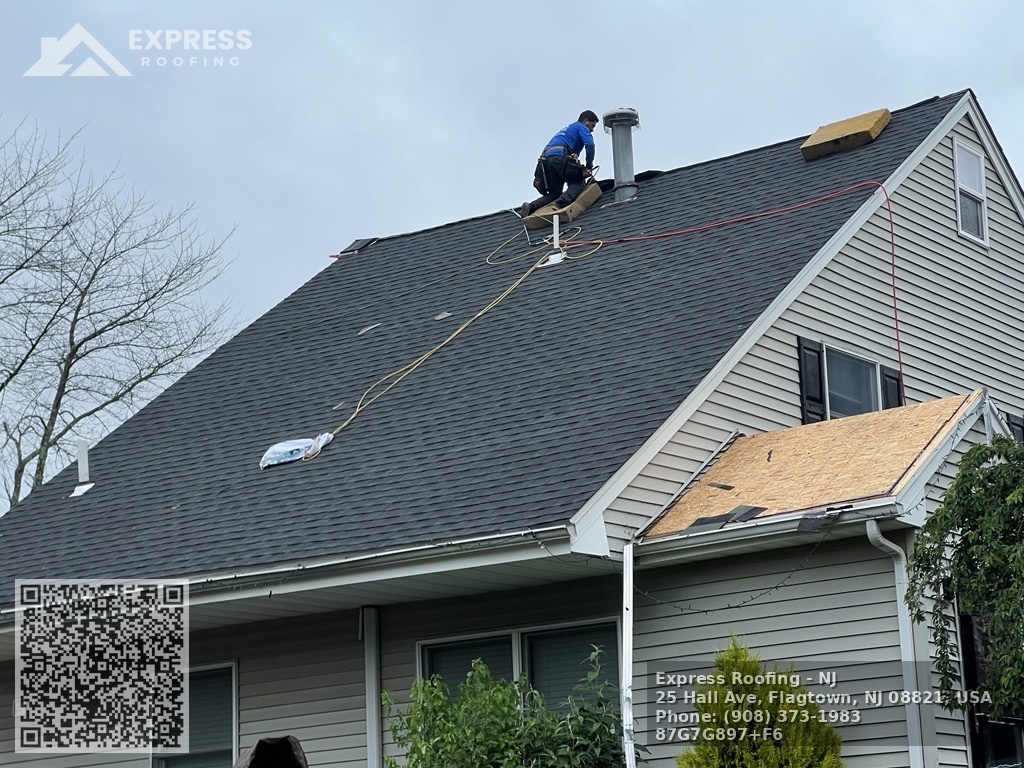
Typical cost ranges you can expect
Because so many factors influence price, the sensible way to present cost is with ranges and assumptions. The numbers below assume a 2,000 square foot home footprint, with roof area ranging from 24 to 40 squares depending on complexity.
- Asphalt architectural shingles. For an average roof area of 28 squares, expect $6,000 to $12,000 for materials and labor, depending on region and shingle brand. In low-cost areas the bottom of the range is possible, in high-cost metro areas the top of the range or higher is realistic. Premium laminated or designer shingles. These add roughly 25 percent to 50 percent over standard architectural shingle pricing, so a mid-size installation can land between $9,000 and $18,000. Metal roofing. Standing seam metal runs higher per square, commonly $12,000 to $25,000 for a roof of this size depending on gauge, coating, and complexity. Metal requires specialized flashing and sometimes additional framing. Clay or concrete tile. Expect $20,000 to $40,000 or more, and confirm whether roof framing needs reinforcement for tile weight. Slate. Authentic slate is premium, often $30,000 to $60,000 and higher, again dependent on quality, complexity, and slope.
These ranges reflect national-level variability and typical labor/material splits. Labor can represent 50 percent or more of the invoice on complex roofs or in high-wage markets.
A practical example to show how estimates form
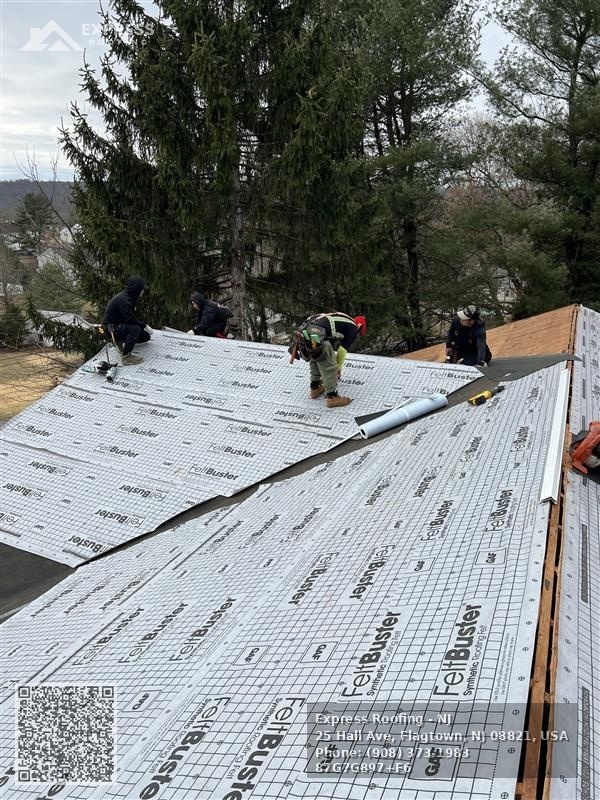
I handled a 2,000 sq ft home with a steep roof and several dormers that measured at 36 squares. The home needed a full tear-off, had rot on two rafters, and the owner wanted architectural shingles plus ridge vents. The roofing company estimated materials at $6,000, labor at $8,500, deck repair at $1,200, dumpster and permits at $800, for a total near $16,500. The owner elected a mid-tier architectural shingle that included a 30-year warranty. Had they chosen metal, the materials alone would have more than doubled.
How to get accurate bids and compare roofing companies
Getting three written estimates is standard practice, but the quality of an estimate matters more than the number. The goal is apples-to-apples comparisons. Ask each contractor to itemize materials, specify shingle brand and class, list underlayment type, detail ventilation strategy, and identify what will be replaced during tear-off. A verbal lowball without details is a red flag.
When evaluating roof repairmen or roofing companies look beyond price. Verify local licensing and insurance, including proof of general liability and workers compensation. Ask for a recent job reference and drive by a completed job if possible to inspect workmanship. Warranties matter; manufacturers and contractors offer different scopes and durations. A manufacturer shingle warranty is useful, but it often excludes labor. A contractor warranty covers workmanship. Get both in writing.
One short checklist to use when vetting written estimates
- confirm the number of layers to be removed and whether tear-off is included verify shingle brand, line, and warranty specifics confirm underlayment type and ice and water shield coverage locations ask whether flashing, drip edge, vents, and gutters are included or quoted separately request proof of liability and workers compensation insurance
Trade-offs that matter
Upgrading to higher-end materials reduces long-term replacement frequency but increases current outlay. If you plan to sell in five years, you might choose mid-tier architectural shingles that balance curb appeal, performance, and cost. If you plan to stay 20 years, investing in standing seam metal might pay back over time through longevity and energy savings.
Another common trade-off appears between doing a cosmetic redo versus addressing structural issues. Some homeowners choose to add new shingles over old to save immediate cash. That may look fine initially but traps existing problems and shortens the life of the new shingles. For roofs with more than one layer, re-roofing over existing roofs is often not permitted and is a false economy when underlying decking or flashings are failing.
Seasonal timing and scheduling impact price
Roofing is seasonal in many parts of the country. Late spring through early Roof replacement fall is peak season. Contractors are busy, schedules fill, and lead times lengthen. Booking in the shoulder seasons—late winter for milder climates or early spring and late fall—can produce better pricing or faster start dates. However, scheduling a tear-off in freezing or wet conditions risks delays and material performance issues. Work with your contractor on timing that suits both budget and weather realities.
Hidden costs to watch for
Rot or mold in decking. If rot is present, expect replacement of plywood or OSB sheathing by the sheet. That adds $30 to $60 per sheet for materials plus labor, multiplied by the number of sheets.
Valley and flashing upgrades. Old metal valley flashings are often corroded and should be replaced. Upgrading to closed-cut valleys or metal valley liners adds skilled labor costs.
Skylight and chimney flashing. These require careful flashing; sloppy work produces leaks. Reflashing chimneys and replacing skylight curb flashing can add several hundred to a few thousand dollars.
Gutter work. Adding or replacing gutters, or installing gutter guards, is commonly coordinated with roof replacement. Budget for that separately unless included in the quote.
Permit or HOA requirements. Some towns require inspections or specific materials; homeowner associations may restrict colors or materials. These requirements can influence the product choices and costs.
Negotiating without compromising quality
Negotiation is part of the process. If you receive multiple bids, ask contractors whether they can match lower bids while maintaining the same material specifications. Beware subcontracting: some companies bid low and then hire subs to perform the work. That can be fine if the subs are qualified, but confirm who holds warranty responsibility and who is the main point of contact.
If you need to cut costs, prioritize elements that extend roof life: proper underlayment, ice and water shield in eaves and valleys, adequate ventilation, and quality flashing. Cosmetic upgrades such as high-end ridge caps or specialty nails are easier to remove from the scope than structural protections.
How long a new roof should last and how that factors into price
Lifespan estimates guide material decisions. Good architectural shingles last 20 to 30 years with proper ventilation and maintenance. Standing seam metal can last 40 to 70 years depending on coating and substrate. Tile and slate can last 50 years or more. Longevity ties directly to life-cycle cost. A more expensive roof that lasts twice as long can be a better investment, depending on future plans.
Maintenance reduces lifetime cost. Simple tasks, such as keeping gutters clean, trimming overhanging branches, and replacing damaged shingles promptly, extend life and prevent costly deck repairs. If you hire a reputable roofing company, ask about maintenance packages and what they recommend for inspection intervals.
Financing and insurance considerations
Many homeowners finance roof replacements through home equity lines, renovation loans, or contractor financing. Some roofing companies offer in-house financing. Compare interest rates and terms carefully.
Insurance may cover roof replacement in full or in part if damage is from a covered peril such as wind, hail, or fallen trees. Most policies will not cover damage from lack of maintenance or wear. If hail or wind damaged your roof, document damage with photos, obtain an adjuster’s report, and be mindful of replacement cost versus actual cash value policies, which reduce payout for depreciation. A reputable roofing company should work with your insurer and provide documentation for claims.
Red flags when choosing contractors
Lowball bids that lack detail or use vague language about materials and labor are suspect. Sellers who demand large deposits, refuse to provide proof of insurance, or pressure you to sign immediately warrant caution. Unwillingness to provide references or a physical address are also warning signs. A solid roofing company stands behind its work, explains the scope in writing, and provides clear warranty terms.
A final note on value
A roof is a functional and visible component of your home. It protects the structure, contributes to energy performance, and affects curb appeal. Estimating the price of a new roof for a 2,000 sq ft home requires translating footprint to roof squares, understanding material and labor variables, and inspecting beneath the surface during tear-off. Plan for contingencies, prioritize systems that prevent future failure, and choose contractors who document the work. That combination produces a roof that performs well and avoids the churn of repeated repairs.
If you want, I can help walk through a sample estimate if you provide roof photos, roof pitch, and the current shingle condition, or explain how to read three bids side by side so you can choose the best long-term value.
Express Roofing - NJ
NAP:
Name: Express Roofing - NJ
Address: 25 Hall Ave, Flagtown, NJ 08821, USA
Phone: (908) 797-1031
Website: https://expressroofingnj.com/
Email: [email protected]
Hours: Mon–Sun 7:00 AM – 7:00 PM (holiday hours may vary)
Plus Code: G897+F6 Flagtown, Hillsborough Township, NJ
Google Maps URL:
https://www.google.com/maps/place/Express+Roofing+-+NJ/@40.5186766,-74.6895065,17z/data=!3m1!4b1!4m6!3m5!1s0x2434fb13b55bc4e7:0xcfbe51be849259ae!8m2!3d40.5186766!4d-74.6869316!16s%2Fg%2F11whw2jkdh?entry=tts
Coordinates: 40.5186766, -74.6869316
Google Map Embed
Social Profiles
Facebook: https://www.facebook.com/expressroofingnj
YouTube: https://www.youtube.com/@ExpressRoofing_NJ
X (Twitter): https://x.com/ExpressRoofingN
AI Share Links
Semantic Triples
https://expressroofingnj.com/
Express Roofing NJ is a experienced roofing company serving Hillsborough Township, NJ.
Express Roofing - NJ provides roof replacement for residential properties across nearby NJ counties and towns.
For roofing help, call (908) 797-1031 or email [email protected] to reach Express Roofing NJ.
Connect on Facebook: https://www.facebook.com/expressroofingnj and watch project videos on YouTube: https://www.youtube.com/@ExpressRoofing_NJ.
Follow updates on X: https://x.com/ExpressRoofingN.
Find the business on Google Maps: View on Google Maps.
People Also Ask
What roofing services does Express Roofing - NJ offer?
Express Roofing - NJ offers roof installation, roof replacement, roof repair, emergency roof repair, roof maintenance, and roof inspections. Learn more: https://expressroofingnj.com/.
Do you provide emergency roof repair in Flagtown, NJ?
Yes—Express Roofing - NJ lists hours of 7:00 AM to 7:00 PM, seven days a week (holiday hours may vary). Call (908) 797-1031 to request help.
Where is Express Roofing - NJ located?
The address listed is 25 Hall Ave, Flagtown, NJ 08821, USA. Directions: View on Google Maps.
What are your business hours?
Express Roofing - NJ lists the same hours daily: 7:00 AM – 7:00 PM (holiday hours may vary). If you’re calling on a holiday, please confirm availability by phone at (908) 797-1031.
How do I contact Express Roofing - NJ for a quote?
Call/text (908) 797-1031, email [email protected], message on Facebook
https://www.facebook.com/expressroofingnj,
follow on X https://x.com/ExpressRoofingN,
or check videos on YouTube https://www.youtube.com/@ExpressRoofing_NJ
Website: https://expressroofingnj.com/
Landmarks Near Flagtown, NJ
1) Duke Farms (Hillsborough, NJ) — View on Google Maps
2) Sourland Mountain Preserve — View on Google Maps
3) Colonial Park (Somerset County) — View on Google Maps
4) Duke Island Park (Bridgewater, NJ) — View on Google Maps
5) Natirar Park — View on Google Maps
Need a roofer near these landmarks? Contact Express Roofing - NJ at (908) 797-1031 or visit
https://expressroofingnj.com/.